HARVESTING & QUALITY MONITORING PROCESS
The harvesting stage plays a decisive role in determining the freshness, aesthetic appeal, and commercial value of the finished shrimp. At Thuan Thanh, the entire procedure—from pre-harvest evaluation and hydraulic regulation to netting and post-harvest preservation—is rigorously supervised by experienced aquaculture engineers. This ensures that shrimp delivered to processing plants always maintains optimal freshness, firm texture, and fully satisfies export standards.

1. Strict Pre-Harvest Quality Inspection
Prior to the scheduled harvest, our engineers conduct randomized sampling across the entire pond area to inspect physical appearance, shell firmness, and size uniformity. Harvesting is only greenlit when the stock meets our comprehensive quality criteria:
Moulting rate: Under 5%
Soft shell rate: Under 5%
Deformity / defect rate: Under 5%
Standard commercial size: Uniformly 60 – 80 pcs/kg (or customized according to specific partner requirements)
2. Infrastructure Preparation & Optimal Water Level Regulation
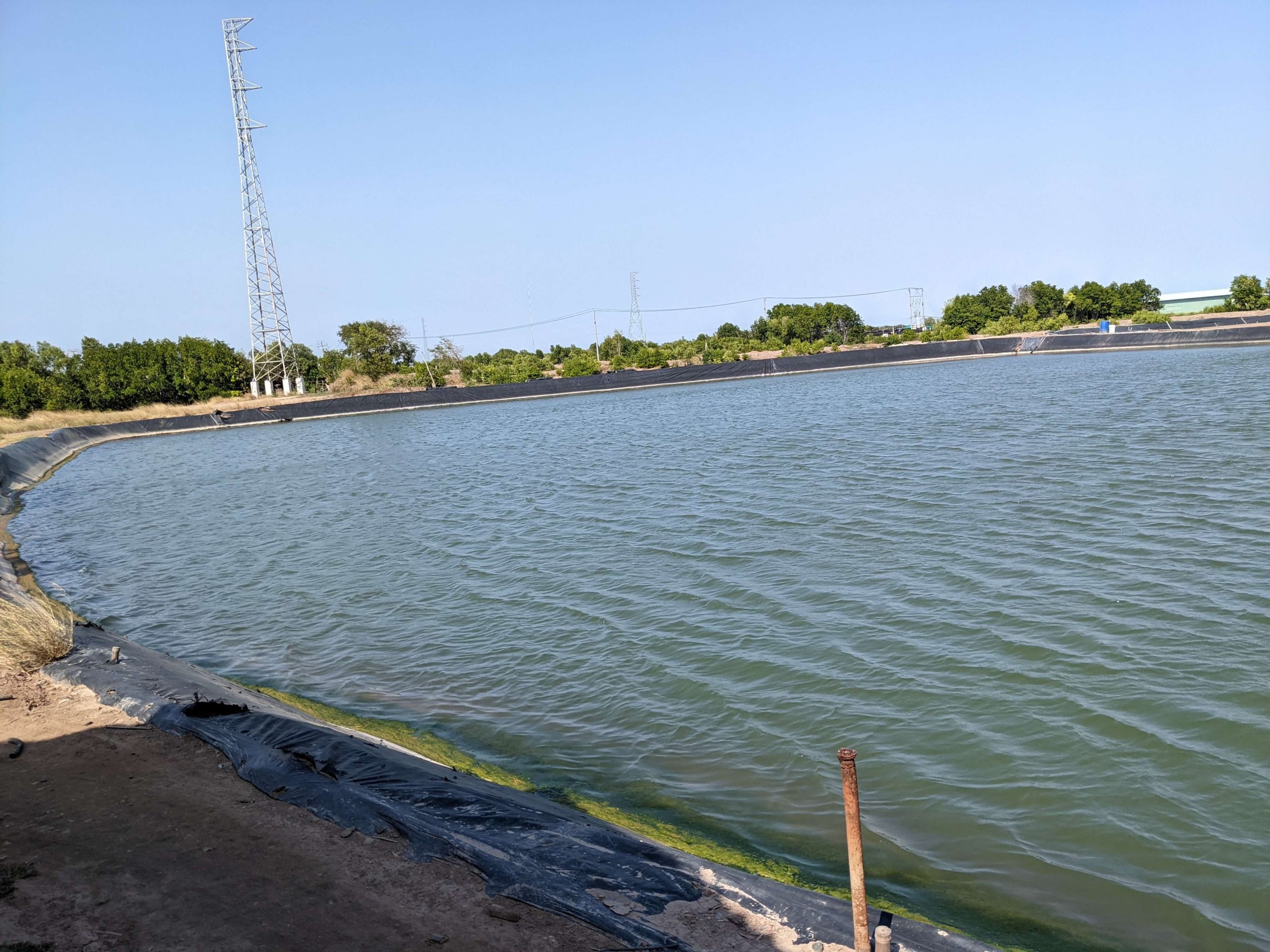
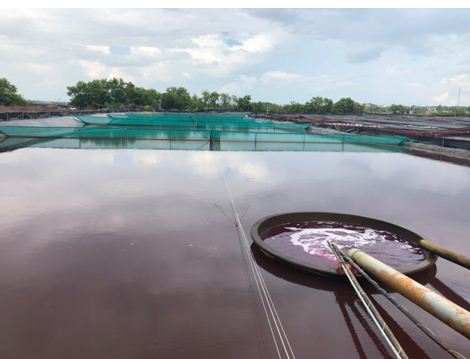
Precise Water Level Adjustment: Under the precise calculations of our technical team, the pond water level is reduced to an optimal threshold prior to netting. This accelerates the collection process while preventing any disturbance to the pond bottom sediment.
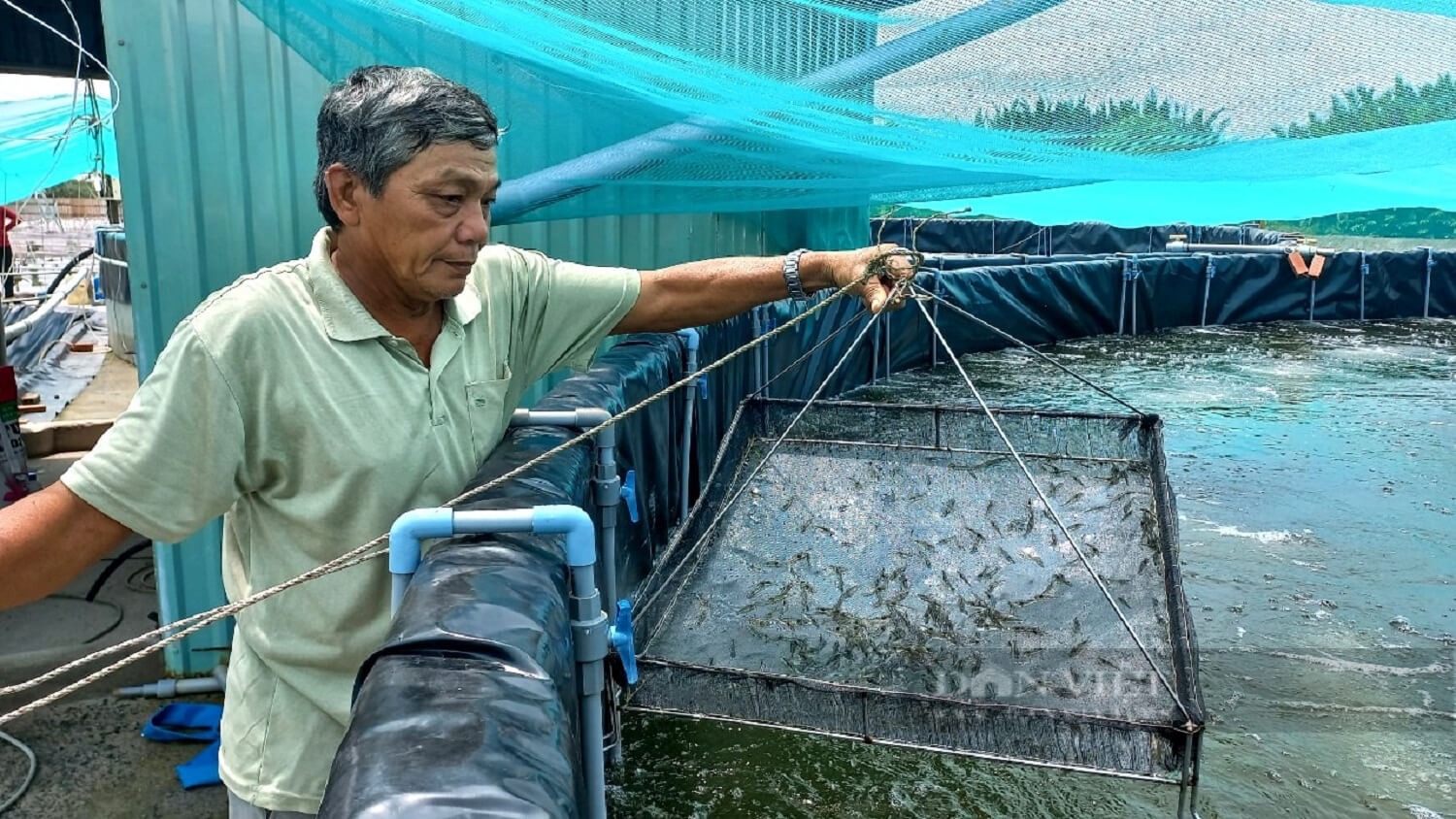
Hygienic Equipment Preparation: All specialized tools and equipment (drag nets, tarpaulins, crates, insulated containers, purified ice, and clean water) are thoroughly sanitized and staged pondside, ensuring a swift, streamlined, and biosecure collection workflow.

3. Optimal Harvesting Window & Professional Techniques
Ideal Harvest Timing: Harvesting is prioritized during night hours or early morning. The cool ambient temperature prevents thermal shock, keeping the shrimp lively and preserving their natural coloration. The total harvest duration is strictly optimized within 4 to 8 hours, depending on the pond surface area.
Low-Impact Harvesting Methods:
Sectional Net Dragging: Approximately 30% of the pond water is drained, followed by targeted seining across designated sections. This method shortens collection time, prevents water turbidity, and minimizes physical damage such as crushed shells or broken appendages.
Current-Flow Trap Netting: Capitalizing on the natural rheotactic behavior (swimming against current) of whiteleg shrimp to corral them gently, keeping the shrimp in peak condition with firm muscle integrity.
4. Post-Harvest Cold Chain Preservation – Locking in Original Freshness
Immediately upon being pulled from the pond, the shrimp are thoroughly rinsed with clean water and promptly cold-shocked in purified ice slurry before being transferred directly into insulated containers. This closed cold-chain preservation process locks in natural freshness, halts enzymatic degradation, and retains optimal muscle elasticity throughout transit to the processing facilities.